
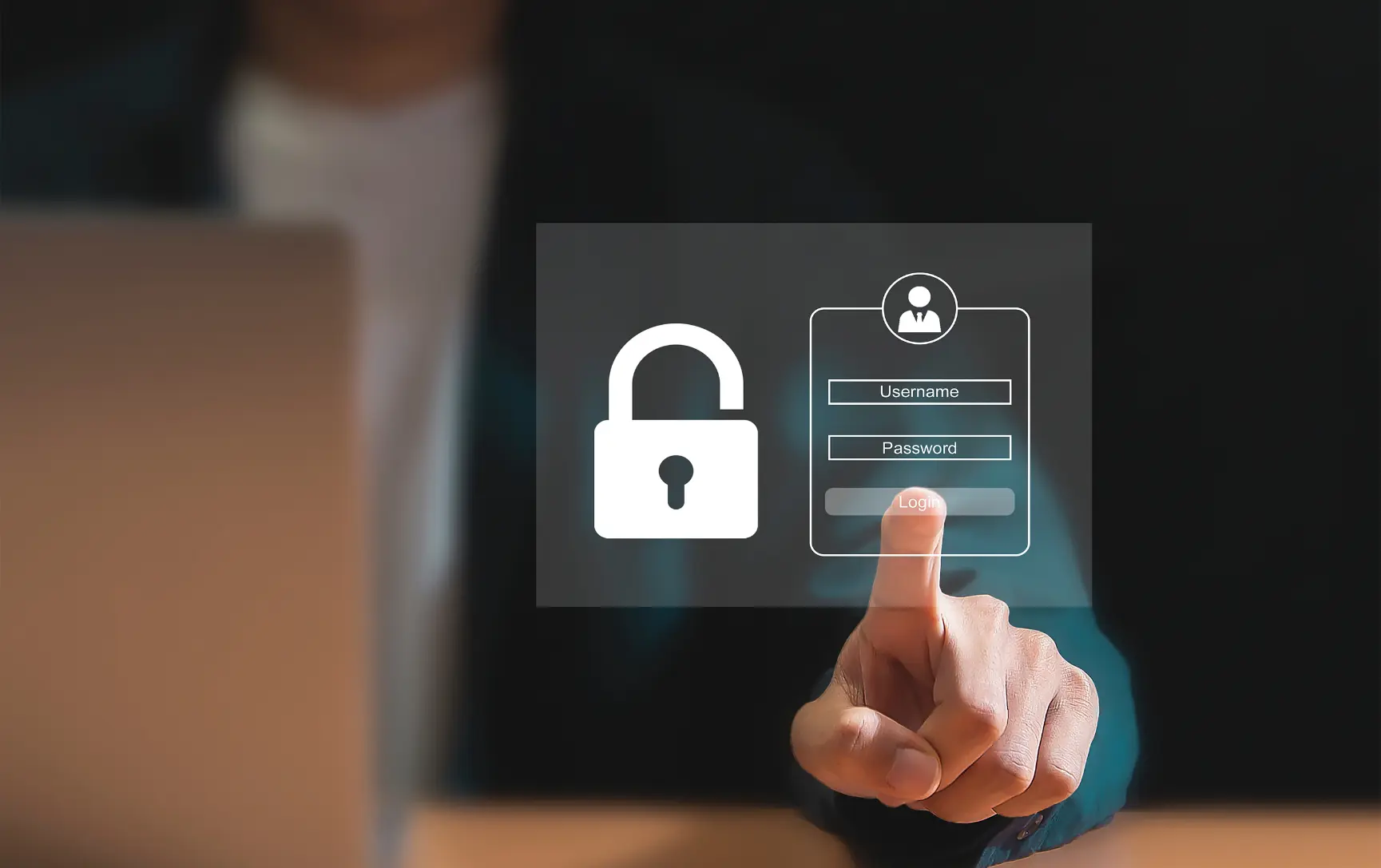
Cover photo: family31 on Magnific
Singapore is raising the bar on data privacy. The Personal Data Protection Commission (PDPC) has issued updated advisory: organisations must stop using NRIC numbers for authentication by 31 December 2026 and move to more secure identity verification methods.
For HR teams and employers managing large volumes of employee data, this isn’t just a compliance update. It affects hiring workflows, employee record systems, and the third-party tools used daily – requiring changes to existing processes and security practices. Leave it too late, and you risk scrambling to catch up or facing penalties.
In this blog, we outline practical steps organisations can take now to prepare and make the transition smoothly.
Under Singapore’s Personal Data Protection Act 2012 (PDPA), organisations are required to protect personal data in their possession through reasonable security arrangements.
The PDPC has clarified that NRIC numbers – being highly sensitive and unique identifiers – should no longer be used for authentication purposes. Authentication refers to verifying an individual’s identity, such as logging into systems, accessing payslips, or confirming employee records.
This means practices such as:
will need to be phased out by the deadline.
NRIC numbers are widely used and often known or easily obtained in certain contexts. This makes them unsuitable as secure authentication credentials.
The PDPC emphasises a risk-based approach to authentication. Relying on static identifiers like NRIC numbers increases exposure to:
What was once convenient is no longer considered secure.

Cover photo: DC Studio on Magnific
For organisations operating in Singapore, especially those handling payroll, employee data and other confidential & sensitive information, this change has immediate operational implications.
HR platforms, employee self-service portals, and payroll systems must be assessed to identify where NRIC numbers are currently used for authentication.
Organisations should adopt stronger authentication mechanisms, such as:
Passwords should not include easily obtainable personal data such as names, birthdates, or NRIC numbers.
Under the PDPA’s Protection Obligation, organisations must implement reasonable security arrangements. This includes:
Updating internal data security & privacy policies to reflect any changes in how personal data is accessed, stored, or transferred is just as important as updating the systems themselves.
Employees should be briefed on:
Where possible, go beyond a one-time announcement. In the early stages of any system change, regular training sessions and refresher workshops help reinforce good habits and reduce the risk of human error – often the weakest link in data security.
Ahead of the 31 December 2026 deadline, HR teams should act early to avoid compliance risks.
A proactive approach includes:
Using NRIC numbers for authentication may lead to a PDPA breach if personal data is not adequately protected, with stricter PDPC enforcement from 1 January 2027, including potential financial penalties.

Source: renatahamuda on Magnific
As organisations review their authentication practices and data protection measures, the role of HR technology becomes increasingly important.
While compliance ultimately depends on how systems are configured and used, selecting a secure and robust platform can significantly support your efforts.
When evaluating HR and payroll systems, organisations should look for:
Ensure the platform supports modern authentication methods such as multi-factor authentication (MFA), strong password policies, and configurable login credentials that do not rely on sensitive personal data like NRIC numbers.
Systems should be built with security in mind, including encryption, access controls, and audit trails to monitor user activity.
Platforms that meet recognised international standards, including ISO-27001, demonstrate a commitment to maintaining strong information security management practices.
HR teams should use the right HR tech platforms to be able to adapt authentication settings and workflows as regulatory requirements evolve, without extensive system overhauls.
By choosing a platform that prioritises security and aligns with best practices, such as BIPO’s HRMS, organisations can better position themselves to meet PDPA obligations – while reducing the risk of data breaches and unauthorised access.
The PDPC’s updated guidance on NRIC usage reflects a broader move towards stronger data protection standards in Singapore. For employers, the implications go beyond simple compliance because data protection isn’t a one-time fix; it’s an ongoing practice.
The reality is that data protection requirements will keep evolving. HR teams that build good habits now – reviewing systems, keeping policies current, and ensuring employees understand them will find it easier to adapt when the next update takes place.
To learn more about how BIPO’s ISO-27001 certified and SOC-audited HR solutions can support your organisation, connect with us today.