Managing attendance for a remote workforce requires a shift from traditional oversight to a framework built on trust, clarity, and technology. Unlike in an office setting, you cannot visually confirm when an employee starts their day or takes a break. This makes a structured approach to attendance tracking essential for ensuring accurate payroll, maintaining productivity, and complying with labor laws, all while supporting the flexibility that remote work offers.
Establishing a Clear and Flexible Policy
The foundation of effective remote attendance management is a clear and well-communicated policy. This document should leave no room for ambiguity and set clear expectations for the entire team.
Define Work Hours and Breaks:Clearly define what constitutes a workday. This includes specifying standard work hours, rules for lunch and rest breaks, and procedures for recording overtime.
Implement Core Hours:For teams spread across different time zones, establish core hours—a specific block of time when all team members are expected to be online and available for collaboration. This provides structure while still allowing for flexible start and end times.
Leveraging Technology for Accuracy and Trust
Manual timesheets are insufficient for a distributed workforce. Modern time and attendance systems provide the tools needed to track time accurately and unobtrusively, fostering a culture of accountability without resorting to micromanagement.
Mobile Clock-In with Location Verification:Empower employees to clock in and out from anywhere using a mobile app. Features like GPS tagging or geofencing can be used to verify location for field-based roles, ensuring that time is recorded accurately and from the correct work site.
Project and Task-Based Time Coding:Allow employees to allocate their time to specific projects or tasks. This provides valuable data for managers, offering insights into how time is being spent and helping to measure project profitability and team productivity.
Streamlining Workflows and Ensuring Compliance
An automated system simplifies administrative processes for both employees and managers, ensuring that data is both accurate and compliant.
Automated Approvals and Exception Handling:A modern system automates the workflow for approving timesheets and managing exceptions like missed punches. Managers receive real-time alerts, allowing them to address issues promptly before they impact payroll.
Privacy and Consent:Be transparent with employees about what data is being collected and why. Ensure your tracking methods comply with all relevant data privacy laws and obtain employee consent where required. Building this trust is critical for successful adoption.
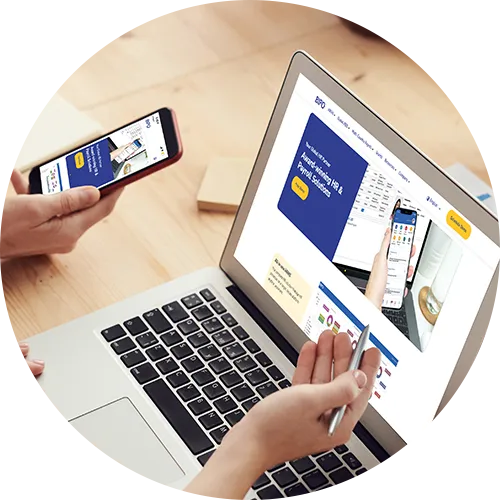
Seamless Payroll Integration:The attendance system must integrate flawlessly with your payroll software. This ensures that all recorded hours, including overtime and differentials, are automatically transferred for accurate payment, eliminating manual data entry and reducing the risk of costly errors. An integrated solution like the BIPO platform provides this unified ecosystem, connecting time tracking directly to payroll processing.
Managing the Change and Analyzing Results
Implementing a new attendance tracking system requires thoughtful change management. Communicate the benefits clearly to your team, emphasizing fairness, accuracy, and efficiency rather than surveillance. Provide thorough training to ensure everyone is comfortable with the new tools. Once implemented, use the system’s analytics to identify productivity patterns, monitor overtime trends, and make data-informed decisions to optimize workforce management.
Conclusion
Effective attendance tracking for remote workers is a balance of clear policy, flexible work arrangements, and smart technology. By implementing a modern time and attendance system with features like mobile clock-in and payroll integration, organizations can ensure accuracy and compliance without sacrificing the trust and autonomy that remote employees value. This structured approach provides the data needed for strategic workforce management while fostering a productive and engaged remote work culture.
About BIPO
Established in 2010 and headquartered in Singapore, BIPO is a leading global payroll and HR solutions provider, supporting businesses in over 170+ countries.
We deliver an award-winning, cloud-based HR Management System and Athena BI analytics tool that supports our multi-country payroll outsourcing and Employer of Record (EOR) services. Powered by tech and driven by data, we help companies automate HR processes, ensure compliance, and provide workforce insights.
With 50+ offices worldwide, BIPO combines global compliance, local HR expertise, and scalable technology to manage the entire employee lifecycle for global and remote teams.