The Human Resources function is no longer just about people; it is about the intersection of people and technology. As we look toward 2026, the digital infrastructure that supports your workforce—the HR Tech Stack—will be the primary differentiator between organizations that thrive and those that stagnate. At the heart of this ecosystem lies the Human Resource Management System (HRMS).
In the past, an HRMS was simply a database—a digital filing cabinet for employee records. Today, it is the central nervous system of the enterprise. Building a modern stack is not about collecting disparate tools; it is about architecting a unified, intelligent environment where data flows seamlessly, and strategic insights emerge automatically. This guide outlines the essential components and strategic considerations for constructing an HRMS-centered stack ready for the future of work.
The Core Philosophy: Integration Over Accumulation
The defining characteristic of the 2026 HR tech stack is connectivity. For years, companies accumulated “best-of-breed” point solutions—one app for recruiting, another for payroll, a third for performance management—that never spoke to one another. This created data silos and a fractured employee experience.
The modern approach flips this model. It prioritizes a robust core HRMS that serves as the single source of truth, with open APIs that allow for seamless integration with specialized tools.
- Unified Data Architecture:Employee data entered once flows everywhere. A change in marital status in the HRMS automatically updates tax withholdings in payroll and beneficiary details in benefits administration.
- The “Hub and Spoke” Model:The HRMS acts as the hub. Specialized tools (the spokes) for niche needs—like AI-driven sourcing or wellness apps—plug into this hub, ensuring data consistency while allowing for specialized functionality.
Essential Components of a 2026 HRMS
When evaluating or upgrading your HRMS, visionary leaders should look beyond basic functionality to features that support agility and intelligence.
1. Agentic AI Capabilities
Static automation is being replaced by Agentic AI—autonomous agents capable of reasoning and executing complex tasks.
- Intelligent Workflows:Instead of just routing a leave request, the system analyzes the team’s calendar, checks project deadlines, and suggests approval or denial to the manager based on capacity.
- Predictive Analytics:The HRMS should not just report on turnover; it should identify employees at risk of leaving based on engagement patterns and suggest retention interventions.
2. Mobile-Native Experience
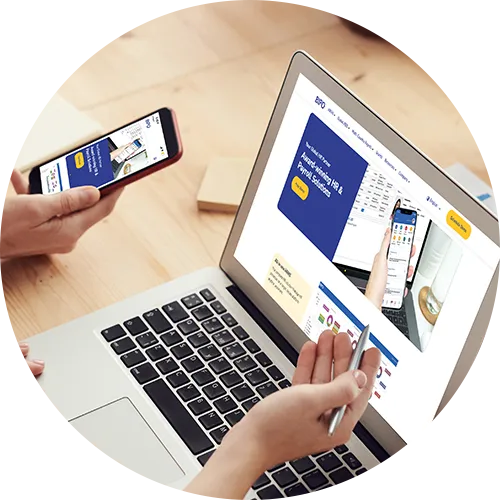
By 2026, the desktop is secondary. The workforce is mobile, distributed, and expects a consumer-grade experience.
- Self-Service Empowerment:Employees must be able to manage their entire lifecycle—from onboarding documents to pay stubs and performance reviews—via a native mobile app.
- Push-Notification Culture:Critical updates, shift changes, and approval requests are pushed instantly to devices, reducing bottlenecks in decision-making.
3. Global HR compliance Engines
As talent borders dissolve, your HRMS must handle multi-jurisdictional complexity natively.
- Dynamic Localization:The system automatically adjusts fields and workflows based on the employee’s location. A hire in France triggers a different contract generation process and data privacy protocol than a hire in Singapore.
- Real-Time Regulatory Updates:Leading platforms integrate with legal databases to update compliance rules automatically, insulating the organization from regulatory risk.
The Strategic Pivot: From Administration to Experience
The ultimate goal of the modern HR tech stack is to render administration invisible. When the HRMS handles the heavy lifting of compliance, data entry, and workflow routing, HR professionals are freed to focus on the human element.
Building this stack requires a clear roadmap. Start by auditing your current landscape for data silos. Prioritize platforms with open architectures and robust API documentation. And most importantly, view your HRMS investment not as a cost of doing business, but as the foundational infrastructure for your company’s strategic agility.
About BIPO
Established in 2010 and headquartered in Singapore, BIPO is a leading global payroll and HR solutions provider. We support businesses in over 170 markets with a comprehensive suite of tech-driven solutions, including our award-winning cloud-based HR Management System and Employer of Record services, empowering you to manage global workforce complexities with confidence.
Future-proof your operations with our next-generation HRMS—contact us today.