Choosing a HR management software is a significant decision for any business. The right platform can transform your HR operations, freeing up time, reducing errors, and providing strategic insights. With so many options available, it can be challenging to know what to look for. While some features are nice to have, others are absolutely essential for managing a modern workforce effectively.
A truly effective HRMS moves beyond basic data storage. It should act as a comprehensive command center for all your people-related activities. To ensure you’re investing in a system that will grow with your business and meet your core needs, there are several key features that should be on your checklist. These components work together to create a unified and efficient HR ecosystem.

At the foundation of any powerful HRMS is a single, secure database for all employee information. This is the central source of truth that powers every other function within the system. Gone are the days of scattered spreadsheets and redundant data entry.
A robust database should store more than just names and contact details. It needs to manage employment contracts, compensation history, performance reviews, benefits enrollment, and emergency contact information. By consolidating this data, you ensure accuracy and consistency across the board, providing HR managers and team leaders with immediate access to reliable information.
Payroll is one of the most critical and sensitive HR functions. An HRMS with an integrated payroll module is a must-have. This feature automates the entire payroll process, from calculating salaries and wages to managing deductions for taxes, insurance, and retirement plans.
Look for a system that can handle complexities like overtime, bonuses, commissions, and expense reimbursements. The integration with time and attendance data ensures that pay is calculated accurately based on hours worked, minimizing compliance risks and ensuring employees are paid correctly and on time.
Manually tracking employee hours and managing leave requests is inefficient and prone to errors. A modern HRMS should offer automated time and attendance management. This allows employees to clock in and out digitally—often via a mobile app or web portal—and submit time-off requests with ease.
Managers can then review and approve timesheets and leave requests online, getting a clear view of team availability. The system should automatically track leave balances for vacation, sick days, and other paid time off, providing transparency for both employees and the company.
The employee experience begins long before their first day. An HRMS should streamline the entire talent acquisition process. Key features include an applicant tracking system (ATS) to post jobs, manage candidates, and schedule interviews.
Once a candidate is hired, the system should facilitate a seamless onboarding experience. New hires can complete essential paperwork, enroll in benefits, and review company policies digitally before they even step into the office. This creates a positive first impression and helps new team members become productive faster.
Empowering your employees with self-service capabilities is a game-changer. An HRMS with a self-service portal allows staff to access and manage their own information. They can view pay stubs, update personal details, check their remaining leave balance, and request time off without needing to go through HR.
This not only gives employees greater control and transparency but also significantly reduces the administrative burden on your HR team, allowing them to focus on more strategic initiatives.
Selecting an HRMS with these core features provides a solid foundation for efficient and strategic human resource management. An integrated system ensures data flows seamlessly between modules, automating routine tasks and delivering valuable insights.
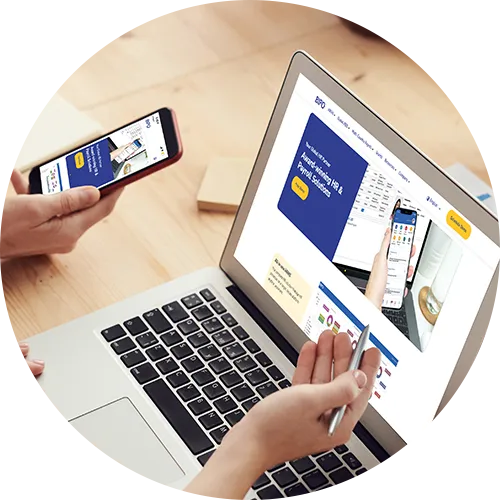
Established in 2010 and headquartered in Singapore, BIPO is a leading global payroll and HR solutions provider supporting businesses across 170+ countries. Our award-winning, cloud-based HRMS is an all-in-one solution that automates the entire employee lifecycle, ensuring compliance and efficiency for your teams.
Are you looking for an HRMS that ticks all the boxes? Discover how BIPO’s comprehensive platform integrates these key features into one powerful and user-friendly system.