Selecting a new Human Resource Management System (HRMS) is a pivotal decision for any organization. As we move further into 2026, the question is no longer if you should adopt an HRMS, but rather which type is best suited for your business. Cloud-based systems have become the gold standard, offering flexibility, scalability, and accessibility that traditional on-premise solutions simply can’t match.
But with a market full of options, how do you choose the right cloud-based HRMS? This guide will walk you through the essential criteria to consider, ensuring you select a platform that not only meets your current needs but also supports your future growth.
Why Choose a Cloud-Based HRMS?
Before diving into selection criteria, it’s important to understand what makes a cloud-based HRMS so compelling. Unlike on-premise systems that require you to host and maintain software on your own servers, a cloud HRMS is hosted by the vendor and accessed via the internet.
This model, also known as Software-as-a-Service (SaaS), offers several key advantages:
- Lower Upfront Costs:It eliminates the need for expensive hardware and server infrastructure.
- Scalability:You can easily scale your services up or down based on your company’s size and needs.
- Automatic Updates:The provider handles all software updates and security patches, ensuring you’re always on the latest version.
- Accessibility:Authorized users can access the system from anywhere with an internet connection, which is crucial for remote and global teams.
As one tech analyst puts it, “The cloud has democratized HR technology, making powerful tools accessible to businesses of all sizes, not just large corporations.”
Key Selection Criteria for 2026
When evaluating cloud-based HRMS platforms, focus on these critical areas to find the best fit for your organization.
1. Core HR Functionality
The system must be able to handle your essential HR tasks efficiently. Look for a comprehensive suite of modules that form the backbone of your HR operations.
- Payroll and Compensation:Does it automate payroll calculations, handle tax compliance, and manage different compensation structures?
- Benefits Administration:Can employees easily enroll in and manage their benefits through a self-service portal?
- Time and Attendance:Does it offer flexible time-tracking options, including mobile clock-ins and seamless leave management?
2. Talent Management Capabilities
A modern HRMS should do more than just manage administrative tasks; it should help you attract, develop, and retain top talent.
- Recruitment and Onboarding:Look for an integrated Applicant Tracking System (ATS) and automated onboarding workflows to create a smooth candidate and new-hire experience.
- Performance Management:The system should support continuous feedback, goal setting, and performance reviews to foster employee development.
3. User Experience and Accessibility
If the system isn’t easy to use, people won’t use it. An intuitive interface is non-negotiable for both HR staff and employees.
- Employee Self-Service (ESS):A user-friendly portal where employees can manage their own information is essential for reducing HR’s administrative workload.
- Mobile Access:In a world of flexible work, a robust mobile app is a must-have. Ensure employees and managers can perform key tasks on the go.
4. Integration and Scalability
Your HRMS won’t exist in a vacuum. It needs to connect with other business systems and grow alongside your company.
- API and Integrations:Check if the platform offers a strong API and pre-built integrations with other software you use, such as accounting or project management tools.
- Global Capabilities:If you have international operations or plan to expand, ensure the HRMS can handle multiple currencies, languages, and country-specific labor laws.
Find a Partner for Global Growth
Choosing a cloud-based HRMS is about finding a strategic partner that can support your business’s evolution. The right system streamlines operations, empowers your people, and provides the data-driven insights needed to make smart decisions.
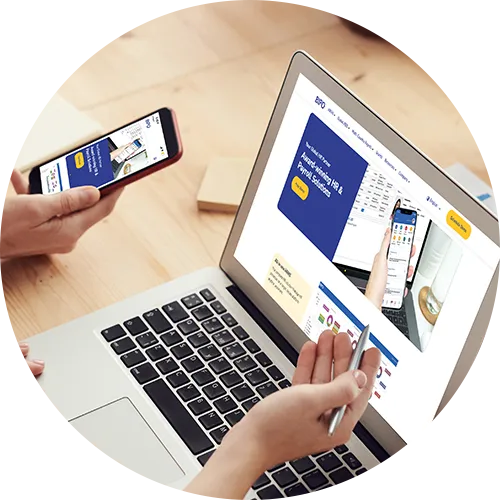
Established in 2010 and headquartered in Singapore, BIPO is a leading global payroll and HR solutions provider supporting businesses in over 170 countries. Our award-winning, cloud-based HRMS automates the entire employee lifecycle, from onboarding to offboarding. We combine global compliance, local HR expertise, and scalable technology to help you manage your workforce, no matter where they are.
Ready to future-proof your HR operations? Contact BIPO today for a personalized demo and discover how our comprehensive HRMS can help you manage the complexities of today’s global people operations.