For decades, the standard operating procedure for multinational companies was to manage global payroll through a decentralized, multi-vendor model. As the business expanded, a new local payroll provider was added in each country, resulting in a complex and unwieldy network. This fragmented approach, born out of necessity, has now become a significant strategic liability, creating data silos, operational inefficiencies, and a complete lack of global oversight.
The future of global payroll management, however, is not about hiring more people to manage more vendors. It is about strategic consolidation. The shift from a multi-vendor mess to a unified dashboard represents a pivotal evolution for finance and HR leaders. It is the key to transforming payroll from a fragmented, administrative burden into a streamlined, data-driven function that provides a true, real-time picture of your global workforce.
The Challenge of a Fragmented Landscape
Operating with a multi-vendor payroll system is like trying to conduct an orchestra where every musician is reading from a different sheet of music. The result is discord and chaos.
- Data Silos:Critical workforce data is trapped within the separate portals of a dozen different vendors. It is impossible to get a consolidated view of global labor costs without a painful, manual process of exporting data into spreadsheets.
- Operational Inefficiency:Your central HR and finance teams spend countless hours managing multiple contracts, reconciling disparate report formats, and chasing down information from various points of contact.
- Lack of Strategic Visibility:Without a unified view, answering fundamental business questions is nearly impossible. You cannot easily determine your total global headcount, compare labor costs between regions, or forecast future workforce expenses with any degree of accuracy.
- Compliance Roulette:Each vendor has its own process for ensuring compliance, creating multiple potential points of failure. A mistake by a single provider can expose the entire organization to significant risk.
The Solution: A Unified Dashboard Powered by Middleware
The transition to a unified view does not necessarily mean you have to fire all your existing local payroll providers, especially if you have long-standing, complex relationships. The answer often lies in a “middleware” or “data aggregation” platform.
This technology acts as a smart layer that sits on top of your existing multi-vendor network. It connects to each of your local payroll providers, pulling data from their disparate systems and standardizing it into a single, cohesive format.
How It Works
- Integration:The middleware platform integrates with each of your in-country payroll providers, either through direct API connections or by intelligently parsing the report files they send.
- Data Harmonization:It takes the data from various formats and maps it to a standard, global data model. A “salary” field from your German provider and a “remuneration” field from your Australian provider are both recognized as the same thing.
- Centralization:All the harmonized data is fed into a single, cloud-based dashboard.
The Power of a Single Pane of Glass
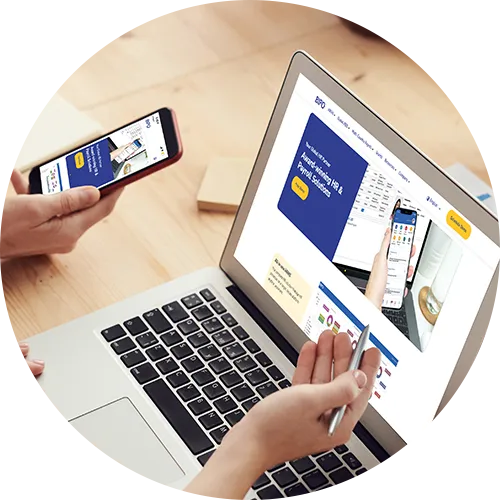
Once your data is centralized, you unlock a level of insight and control that was previously unattainable. A unified dashboard provides:
- Real-Time Global Reporting:Generate consolidated reports on global workforce costs, headcount, and other key metrics with just a few clicks. This empowers your leadership team to make faster, more informed decisions.
- Enhanced Data Accuracy:By automating the data aggregation process, you eliminate the human error associated with manual spreadsheet consolidation.
- Improved Governance and Control:You can implement standardized approval workflows and maintain a clear audit trail across all countries from a single interface.
- A Stepping Stone to True Unification:For many organizations, a middleware solution is the first step toward a fully unified payroll model. It provides immediate visibility and control while giving you the time to plan a longer-term transition to a single global payroll partner.
The move from a multi-vendor model to a unified dashboard is no longer a luxury; it is a necessity for any organization that wants to compete effectively on a global scale. It is the foundational step in building an agile, data-driven, and truly global HR function.
About BIPO
Established in 2010 and headquartered in Singapore, BIPO is a leading global payroll and HR solutions provider. We support businesses in over 170 markets with a comprehensive suite of tech-driven solutions, including our award-winning cloud-based HR Management System and Employer of Record services, empowering you to manage global workforce complexities with confidence.
Let us help you transition from fragmentation to clarity with a unified global dashboard.